What Is Reformer Pilates? A beginner’s guide to the machine and how it works

Chloe Gale
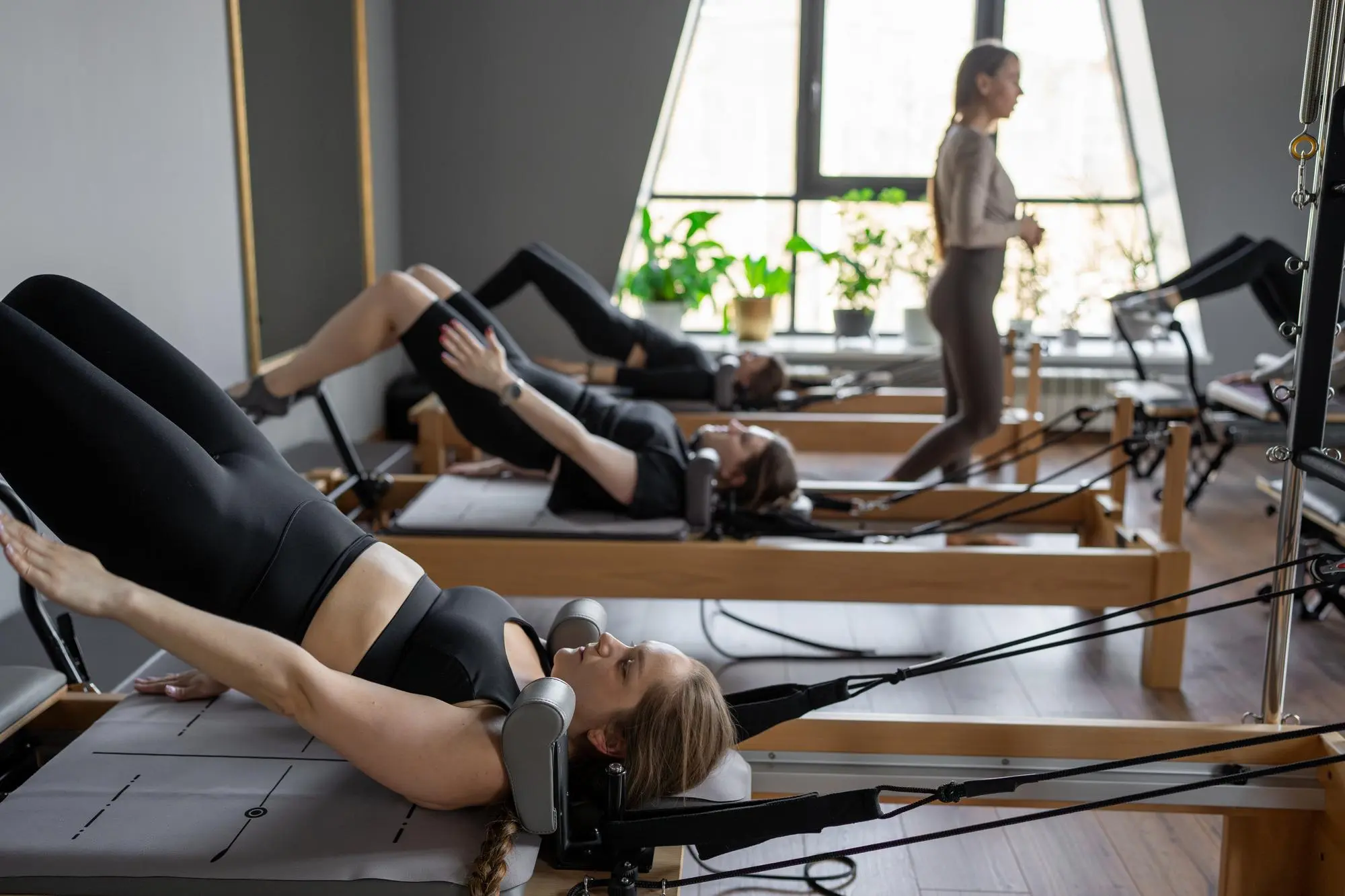
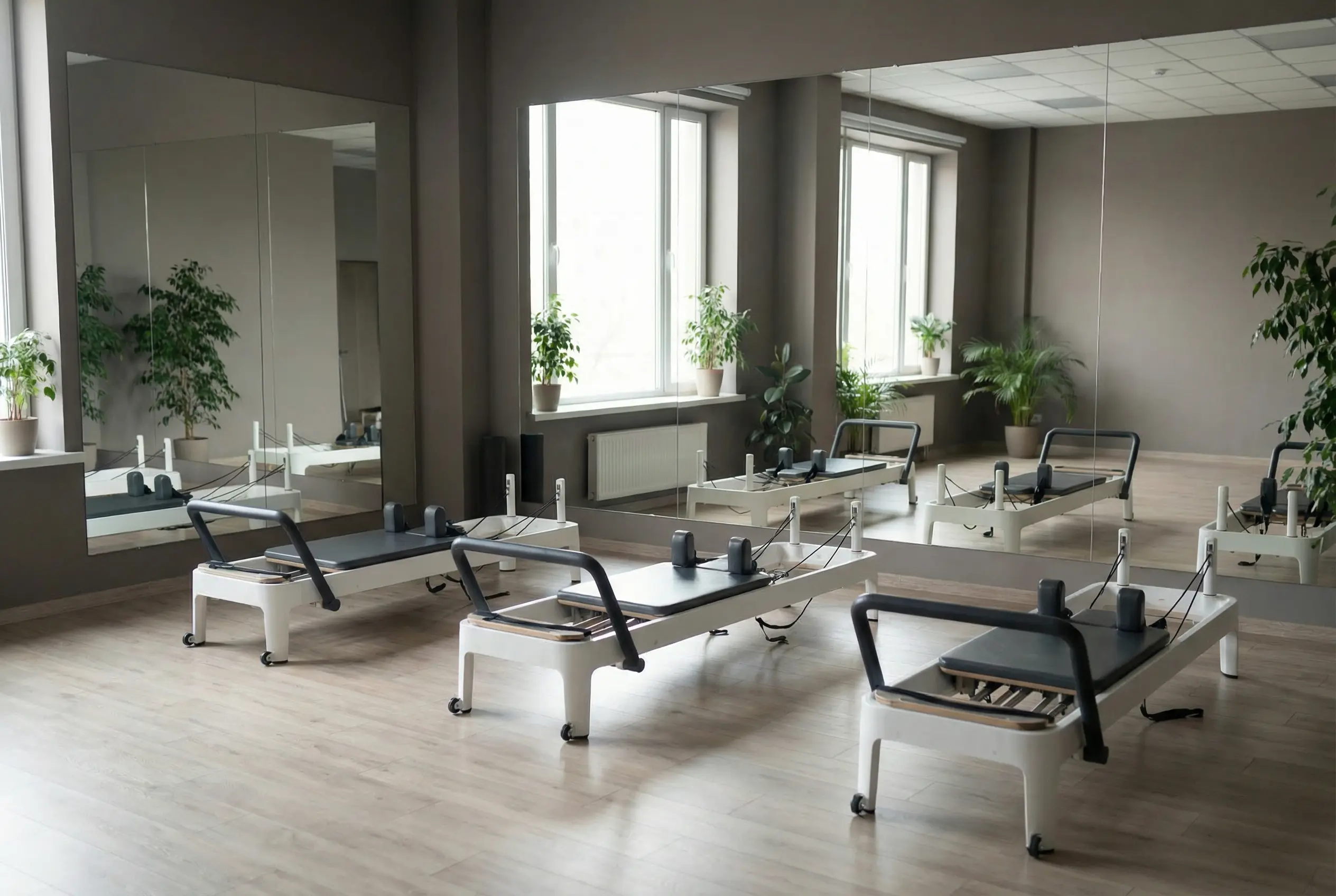
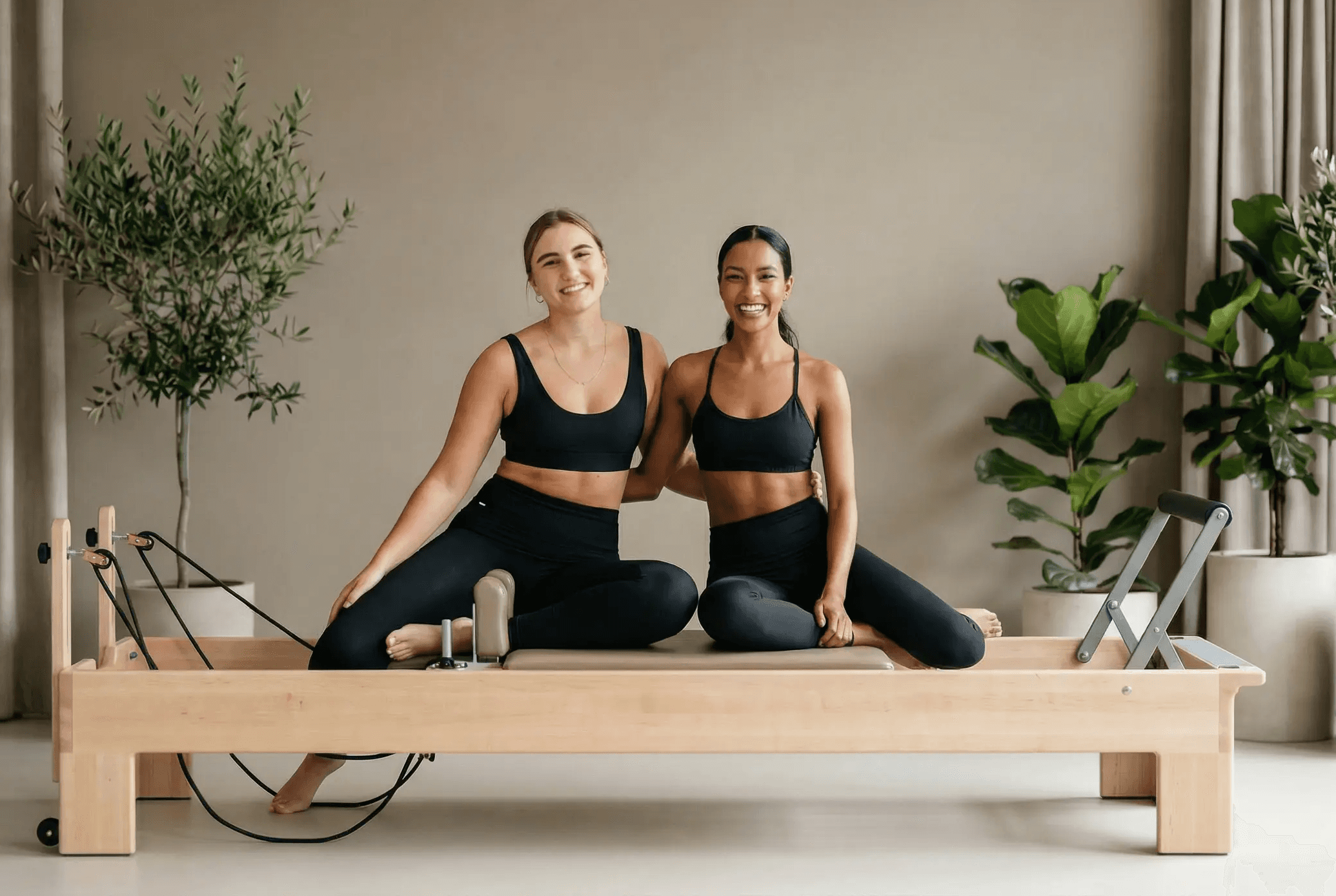
If you’ve ever walked past a Pilates studio and spotted a bed-like machine with springs and straps, you’ve probably seen a reformer—and wondered what on earth it does.
Reformer Pilates might look complicated at first, but it’s actually one of the most effective and beginner-friendly ways to build strength, improve posture, and move better.
What it is
At its core, the reformer is a sliding carriage attached to a system of springs. These springs create resistance, which you push or pull against using your arms, legs, or core. The clever part? The resistance can be adjusted, making it suitable for complete beginners right through to advanced users.
Unlike traditional workouts that rely on heavy weights, the reformer uses controlled resistance to challenge your muscles in a more balanced way. This means you’re not just working the big, obvious muscles—you’re also activating the smaller stabilising ones that support your joints and spine.
The benefits
One of the biggest benefits of reformer Pilates is the added support it provides. The machine guides your movements, helping you maintain proper form and alignment. For beginners, this can make exercises feel more accessible and safer, especially if you’re dealing with back pain or poor posture.
You’ll also notice that every movement feels slow and controlled. That’s intentional. Reformer Pilates focuses on precision over speed, helping you build strength without putting unnecessary strain on your body.
Despite its gentle appearance, don’t be fooled—the reformer can deliver a seriously effective workout. You’ll often feel muscles working that you didn’t even know you had.
In simple terms, reformer Pilates is about working smarter, not harder. It supports your body while still challenging it, making it a great option if you’re new to exercise or looking for a low-impact way to build strength and confidence.